 Fast delivery
 High-quality materials
 Member of the Fair Wear Foundation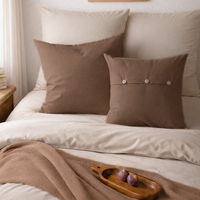

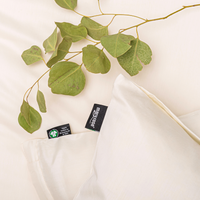


Bed linen
What makes organic bedding special?
"Organic bedding" generally refers to bedding made entirely or partially from fibers sourced from certified organic cultivation—such as organic cotton. Whether the processing steps beyond the raw material are also certified depends on the specific certification.
The Global Organic Textile Standard, or GOTS for short, sets requirements for the processing of certified organic fibers and takes into account environmental and social criteria throughout the textile production chain. Cradle to Cradle Certified®, on the other hand, evaluates products in various categories, including material health, recyclability, water and soil management, renewable energy, and social responsibility.
Since not all bedding sets are made from the same materials or have the same certifications, you can find the exact details directly on the respective product page.
Some Mary Rose models are made without ingredients of animal origin. Please also refer to the specific product description to determine whether a product is labeled as vegan.
What should you consider when buying bed linen?
When choosing bedding, the material, weave, size, and your personal sleeping preferences all play an important role.
Cotton can absorb moisture and helps create a comfortable sleeping environment. Linen is often perceived as airy and cooling. Hemp has a distinctive, slightly linen-like texture and absorbs moisture well.
The weave also affects how the fabric feels against the skin. Satin is particularly smooth and, depending on the finish, can appear slightly shiny or matte. Percale is smooth, matte, and relatively tightly woven. Poplin and linen feature a classic plain weave, while damask is characterized by woven-in patterns.
Also, make sure the bedding sizes match your comforter and pillows. In addition to standard sizes, Mary Rose also offers a variety of specialty and oversized options.
What materials are Mary Rose bed linen made from?
Our bedding is made from different fibers, depending on the model. These include, among others:
-
Cotton and Organic Cotton
-
Hemp and Cotton
-
Linen and Cotton
Terms such as satin, percale, poplin, linen, or damask primarily describe the weave or texture of the fabric, not necessarily the type of fiber used.
Cotton is soft, absorbent, and versatile. Linen and hemp are often chosen for bedding during the warmer months because of their moisture-regulating properties. Satin has a smooth surface, while percale is known for its matte, crisp feel. Damask is characterized by its woven pattern.
You can find the exact composition, manufacturing process, and certification information for each product on its respective product page.
Bed linen for the summer
For warm nights, lightweight and breathable fabrics are often preferred. Bedding made of percale, linen, hemp, or lightweight cotton can absorb moisture and provides a fresh, airy feel.
However, which bedding is considered particularly comfortable in the summer depends on your personal sensitivity to heat, the room temperature, and the type of comforter you use.
Bed linen for the winter
During the colder months, people often choose softer or more densely woven fabrics. Flannel bedding, for example, has a brushed surface, which makes it feel especially soft and warm.
Bedding made of cotton sateen or other tightly woven cotton fabrics can also be suitable for the colder months. The key factors are your individual sensitivity to cold and pairing it with the right comforter.
How should bed linen be cared for properly?
When caring for your garment, always follow the instructions on the care label, as recommendations may vary depending on the material, color, and construction.
Turn bedding inside out before washing and fasten any zippers or buttons. Using a detergent suitable for the fabric and the recommended wash temperature will help protect the fibers and colors.
Use bleach only if it is expressly permitted in the care instructions. The label also indicates whether the bedding is suitable for the dryer and at what temperature it may be ironed.
Don't put clean bedding away in the closet until it is completely dry.
How often should bed linen be changed?
How often you should change your bedding depends on your personal sleeping habits, the season, and how much you sweat. As a general guideline, changing it about once every one to two weeks is a good idea.
If you sweat heavily, during warm summer nights, or when special hygiene requirements apply, changing them more frequently may be advisable.
What kind of bedding is best for people with allergies?
Whether bedding is suitable for people with allergies cannot be determined solely by the term “organic” or the type of fiber used.
If you have a dust mite allergy, it may be important to wash your bedding regularly at the temperature appropriate for your individual needs. In addition, special mite-proof protective covers, known as encasings, may be helpful.
For those with sensitive skin, smooth, skin-friendly materials and textiles tested for harmful substances can serve as a guide. OEKO-TEX® STANDARD 100, for example, confirms that all components of the certified product have been tested for a wide range of regulated and health-related harmful substances. However, the label is not a medical certification for people with allergies.
If you have existing allergies or skin conditions, you should consult a doctor or a specialized counseling center when in doubt.
Choosing Bedding Thoughtfully
At Mary Rose, you’ll find bedding in a variety of materials, weaves, and styles. Many items are made from natural fibers such as organic cotton, hemp, or linen. Depending on the product, they may be GOTS-certified, tested according to the OEKO-TEX® STANDARD 100, or Cradle to Cradle Certified®, for example.
We list the materials, features, and certifications for each specific model directly on the respective product page. This allows you to choose bedding that specifically meets your personal needs.
Mary Rose is also a member of the Fair Wear Foundation. Fair Wear helps member companies identify risks to labor and human rights, implement improvements, and track progress. Membership is not a product certification and does not guarantee that all requirements are fully met at all times.